IBS can be a condition that has a significant impact on many areas of life. Not only due to the symptoms that are often unpredictable, but also how food may trigger symptoms. Navigating this condition can be challenging, particularly when it comes to meal times.
While plants are important and healthy, following a plant-based diet to help with symptoms of IBS can be very challenging when plant-based. However, with key tips and planning, it’s possible to follow a plant-based diet to help manage symptoms of IBS.
What is IBS?
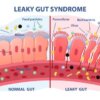
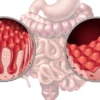
IBS is a very commonly diagnosed digestive issue that impacts around 11% of the global population. It is classified as a functional gut disorder, which refers to the fact that no structural changes or damage around found within the gut; its function is impacted, leading to symptoms.
Common symptoms include:
- Abdominal pain or cramping
- Bloating and gas
- Alternating bowel patterns (eg, constipation, diarrhoea, or alternating bowel between the 2)
IBS is classified into subtypes based on predominant symptoms:
- IBS-C: IBS with constipation
- IBS-D: IBS with diarrhoea
- IBS-M: IBS with mixed constipation and diarrhoea
The diagnosis should officially follow the guidelines of the Rome IV criteria, which specify which symptoms need to be present. This should only be carried out once other possible causes of the symptoms have been excluded. This can include ruling out inflammatory bowel disease, coeliac disease and bowel cancer.
The exact causes of IBS are not fully understood and can likely differ between individuals.
Common causes can include:
- altered gut motility
- low-grade inflammation
- nerve hypersensitivity
- gut-brain communication issues
- microbiome imbalances
- food sensitivities
Studies show that women are twice as likely to be diagnosed with IBS vs men. It’s also been found that one of the most significant risk factors for developing IBS is food poisoning or a gastric infection.
IBS certainly has a very large impact on day-to-day life, but it doesn’t appear to cause permanent damage to the gut.
Benefits of a Plant-Based Diet for IBS
Plants are an important source of nutrients that help to support the gut.
- Supporting gut bacteria: Fermentable fibre from plant foods is an important energy source that feeds beneficial gut microbes in the large intestine.
- Reducing inflammation: Many plant foods contain antioxidants, phytonutrients, and anti-inflammatory compounds that support the gut lining.
- Improving overall health: Cardiovascular and metabolic health can benefit.
- Symptom management: Gradual introduction of plant foods may help reduce IBS symptoms in some people.
Depending on the starting point of the diet, plant for may help with IBS symptoms. For example, if the starting diet is highly processed, containing many additives and sweeteners, moving to a more natural, Mediterranean-style diet can be an important starting point.
However, in many with IBS, increasing fibre can worsen symptoms. This is where making gradual changes (and possibly working with a practitioner) is important. While these foods are healthy, higher fibre foods may trigger symptoms in those with a sensitive or imbalanced gut, such as those with IBS.
Key Components of a Plant-Based Diet for IBS
When working to reduce symptoms of IBS, the focus of a successful plant-based approach is on fibre tolerance, digestibility, and diversity.
Strategies include:
- Focusing on low-FODMAP plant proteins such as firm tofu, tempeh, and certain nuts and seeds
- Soluble fibre sources, which are easier on sensitive guts than insoluble fibre (eg, oats, carrots and flaxseeds)
- Gradual fibre increase can help to support the microbiome and allows time for them to adapt.
- Systematic introduction of foods can be considered after a period of elimination to help identify which plant foods you can tolerate and in what amounts.
- Preparing plant foods in specific ways can help improve how well they’re digested. This can involve cooking vegetables as well as soaking legumes, and spacing high-fibre foods throughout the day.
A very well-researched diet is the low-FODMAP diet.
This provides are framework to reduce fermentable carbohydrates that can often trigger IBS in sensitive patients. The diet then follows a clear reintroduction process where foods are reintroduced to identify personal tolerances.
Studies repeatedly show a significant benefit in symptom management in those with IBS, with up to 86% of IBS patients benefiting from this approach.
Foods to Include
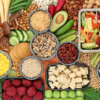
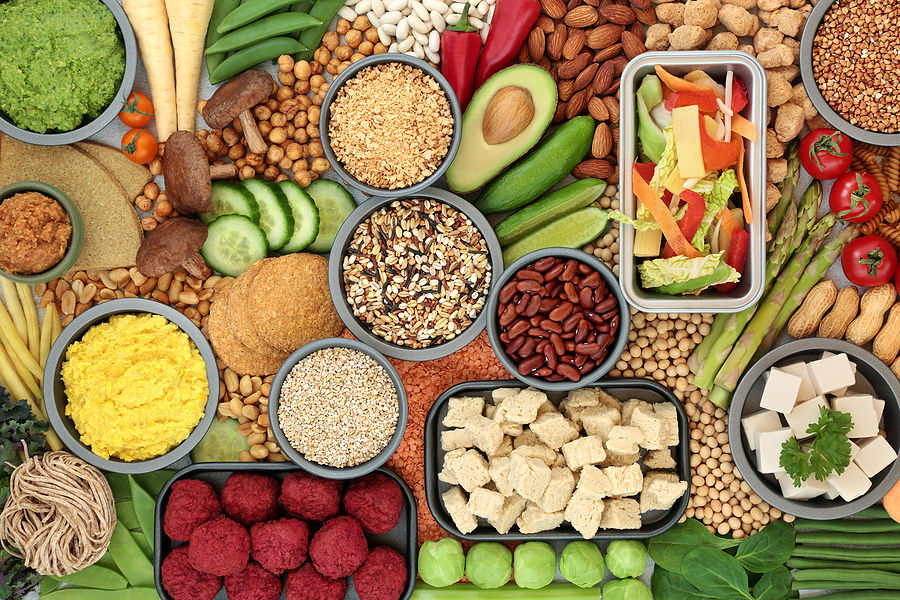
Building meals around well-tolerated, low-FODMAP plant foods is key.
Examples include:
- Vegetables: carrots, courgettes, aubergine, bell peppers, spinach, kale
- Fruits: banana, blueberries, strawberries, oranges (in moderate portions)
- Grains: rice, quinoa, oats, millet
- Plant proteins: firm tofu, tempeh, small portions of almonds or walnuts
- Legumes: canned, well-rinsed lentils or chickpeas (small portions)
- Plant-based milks: almond, coconut, or oat milk in tolerated amounts
As well as this, further strategies can be considered alongside the plant-based low FODMAP diet.
These include:
- Soaking grains and pulses
- Well-cooking vegetables
- Spacing higher-fibre foods
Foods to Avoid
Among the high FODMAP foods, certain foods are most likely to trigger issues.
- High-FODMAP vegetables: onions, garlic, cauliflower, mushrooms, asparagus
- High-FODMAP fruits: apples, pears, watermelon, large portions of stone fruits
- High FODMAP grains: wheat and rye
- Large servings of beans and lentils
- Sugar alcohols: sorbitol, mannitol, often in sugar-free processed foods
- Other triggers: spicy foods, fatty or fried foods, caffeine, and alcohol
Meal Planning and Recipes
Approaching a balanced diet with low-FODMAP foods while also being plant-based can involve some planning.
For example, a meal plan for an average day can look like:
- Breakfast: overnight oats made with oat milk, blueberries and almond butter.
- Lunch: quinoa bowl with roasted carrots, courgette, spinach, and tofu
- Dinner: stir-fried tempeh with low-FODMAP vegetables and rice, or baked aubergine with tomato sauce and gluten-free pasta
- Snacks: rice crackers with nut butter, fruit smoothies, or small portions of nuts
Extra tips to help with digestion:
- Cook vegetables well (or slow cook) to soften the fibre
- Instead of using whole garlic, garlic-infused oil provides the flavour but not the FODMAP bite
- Don’t overeat
- Eat at regular times
- Stay hydrated
Managing Fibre
As mentioned, fibre is important for gut health but can be a challenge when low FODMAP.
- Soluble fibre (oats, chia seeds, psyllium) is usually gentler than insoluble fibre
- Increase gradually: start with ~5g/day, slowly increasing to allow gut adaptation
- Hydrate well: water helps fibre move through the digestive system
- Expect temporary discomfort: some bloating or gas may occur initially
Fibre levels can be monitored and increased slowly. This can be with the help of a practitioner as well as alongside certain supplements to help address underlying causes. Slow introduction of fibre can help to assess trigger foods and personal tolerance.
Probiotics and Fermented Foods
Probiotics can help restore gut bacteria, support the integrity of the gut lining and introduce compounds that help reduce inflammation.
These are generally very well tolerated and include:
- Fermented plant foods: tempeh, miso, sauerkraut, kimchi, kefir, yoghurt.
- Probiotic supplements: depending on the situation, certain strains may be more beneficial. Consulting a practitioner is important.
Potential Challenges
Transitioning to a plant-based diet with IBS can pose difficulties:
- High fibre intake can initially increase some of the symptoms of IBS, such as bloating and gas
- Many of the protein sources, such as beans and lentils, are high-FODMAP in large servings and may contribute to symptoms in sensitive individuals
- Large meal volumes are often required on a plant-based diet to reach calorie requirements. This may further increase symptoms if not careful.
- Restrictive phases of low-FODMAP diets reduce variety and impact relationship with food
- Risk of nutrient deficiencies if the diet is not structure properly. This can be deficiencies in B12, iron, zinc and omega-3s.
Working with a gut health practitioner can help manage these challenges safely and help to address the actual cause of issues, so foods do not need to be limited long term.
Tips for Transitioning
To move toward a plant-based diet successfully:
- Consult a professional experienced in both IBS and plant-based nutrition
- Start with low-FODMAP elimination (2–6 weeks) to identify triggers
- Systematically reintroduce foods every 3 days, noting tolerance
- Keep a detailed food and symptom diary
- Increase plant foods gradually, focusing on digestibility
- Use preparation methods like cooking vegetables, soaking or rinsing legumes
- Focus on what you can eat, not just restrictions
- Partial plant-based eating is fine—perfect adherence is not required
- Be patient: gut adaptation takes time
The goal is to find a sustainable, enjoyable balance rather than perfection.
Conclusion
A plant-based diet is compatible with IBS when approached with the appropriate support from an experienced gut health practitioner. Plant foods support gut health and reduce inflammation, but their fibre and FODMAPs can trigger symptoms in sensitive individuals. So, addressing the reason why the foods are causing an issue is central to a successful outcome.
While the The low-FODMAP diet offers a proven starting point, helping most IBS patients find relief through low-FODMAP plant proteins, tolerated produce, and gradual fibre increases.
Long-term success requires patience, a balanced diet and the introduction of the right gut treatments. Working with a healthcare professional can help you build a satisfying, nutritious plant-based diet while managing symptoms effectively.
Contact us today for your free initial assessment.
References
- Gut Microbes
Diet and gut microbial associations in irritable bowel syndrome according to disease subtype
- Clinical Gastroenterology and Hepatology
Supplementing Dietary Fibers With a Low FODMAP Diet in Irritable Bowel Syndrome: A Randomized Controlled Crossover Trial
- Nutrients – MDPI
The Role of the FODMAP Diet in IBS
- Clinical and Experimental Gastroenterology
Efficacy of the low FODMAP diet for treating irritable bowel syndrome: the evidence to date
- Alimentary Pharmacology & Therapeutics
Systematic review: dietary fibre and FODMAP-restricted diet in the management of constipation and irritable bowel syndrome
- Expert Review of Gastroenterology & Hepatology
The role of a plant-based diet in the pathogenesis, etiology and management of the inflammatory bowel diseases
- The Lancet Regional Health – Europe
Composition of plant-based diets and the incidence and prognosis of inflammatory bowel disease: a multinational retrospective cohort study
- Inflammatory Bowel Diseases
Plant-based Diets for Inflammatory Bowel Disease: What Is the Evidence?
- BMJ Open Gastroenterology
Does Fibre-fix provided to people with irritable bowel syndrome who are consuming a low FODMAP diet improve their gut health, gut microbiome, sleep and mental health?
- Best Practice & Research Clinical Gastroenterology
Plant-based diets in gastrointestinal diseases: Which evidence?
Last Updated
Uploaded by Martin Cohen on 14/12/2025