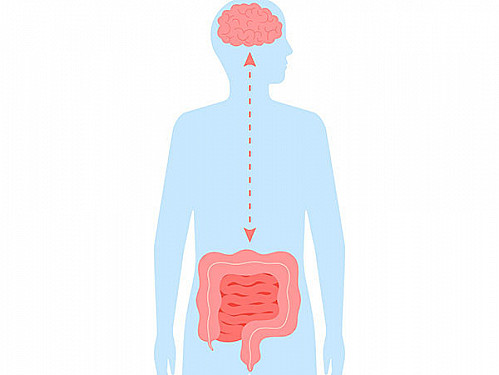
- The gut speaks to the brain and the brain speaks to the gut. This communication happens via nerves, hormones and gut microbes.
- Stressful experiences can impact the digestive function and lead to changes in the gut microbiome. In turn, this can impact mood.
- The main pathway for communication is the vagus nerve with most of the information travelling from the gut to the brain, not the other way around.
- Since gut microbes respond to the food that we eat within hours, diet plays a central role in supporting a healthy gut-brain connection.
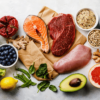
- Dietary fibre, fermented foods, healthy fats and polyphenol-rich foods all influence the gut microbiome, often in separate ways – there’s more on exactly how, and why, below.
What Is the Gut-Brain Connection and What Role Does Nutrition Play?
To some degree, we might think about the body’s organs working in isolation, when in fact they’re in constant communication. None more so than the gut and the brain.
This is clearly seen with IBS contributing to higher rates of anxiety and depression. And vice versa – stressful events contribute to bloating or changes in bowel habits.
Food not only supports the gut microbiome via the by-products of microbial fermentation, it also supports the gut lining. Both crucial factors in the gut-brain connection.
What Is the Gut-Brain Connection?
The gut and brain are in ongoing communication but the gut also has its own nervous system, the enteric nervous system. This allows the gut to act in many ways independently of the brain.
When in communication with the brain, most of the communication takes place via the vagus nerve. 80% of the fibres along the communication pathway travel from the gut to the brain, and the remaining 20% from the brain to the gut. We can think about the gut speaking more and the brain listening to what it has to say.
Before the vagus nerve was discovered, it was thought that most of the communication happened via hormones. Now we know that the vagus nerve carries out most of this, a lot of which via certain gut cells (enteroendocrine cells) that form direct connections to the vagus nerve – transmitting information to the brain in milliseconds.
Another layer of communication is via the by-products of the microbiome. These are neurotransmitter-like compounds produced in the gut, including GABA and precursors to serotonin. Along with nerves and hormones, these create another pathway.
How Do the Gut and Brain Affect Each Other?
The gut can be very responsive to stress, not just because we’re emotional creatures but due to the physiological impact of stress hormones. Thinking about stress hormones as being tangible molecules can be a helpful way to visualise their impact on the gut.
For example, stress hormones like corticotropin-releasing factor impact the gut wall directly. This can alter the speed of motility and impact the microbiome along the way.
These changes in the microbiome can then make us more anxious or stressed. For example, studies in mice show that transferring the microbiome of an anxious mouse into the gut of a non-anxious mouse transfers the anxious emotional state with it.
A lot of this is understood to be communicated by the vagus nerve. This is shown in situations where certain species of lactobacillus bacteria can alter GABA receptors in the brain – but only when the vagus nerve is intact. So, the bacteria impact the brain, and the vagus nerve is the pathway.
These bacteria are also anti-inflammatory, which is an important consideration as low-grade inflammatory response in the gut is clearly linked to changes in mood such as anxiety, depression and brain fog.
There is also lots of talk about the gut producing most of the body’s tryptophan, the precursor to serotonin. However, most of this acts in the gut, rather than travelling to the brain.
In Clinic: Changes in emotional state are one of the most common symptoms that I see related to the bloating and bowel changes in IBS patients. Even if stress has been partly responsible for the onset of symptoms, symptoms fuel stress, creating a vicious cycle – an important reason why focusing on the gut and the brain leads to better outcomes.
Why Does the Gut-Brain Connection Matter?
There are many reasons this matters:
- The gut nervous system controls the migrating motor complex – helping to regulate and reset the gut between meals. Stress impacts this.
- In certain people, increased activity in regions of the brain increases visceral hypersensitivity, a situation where there is increased perception of stimuli in the gut – essentially, leading to increased sensations of pain and discomfort.
- Most (80-90%) of the information that travels along the vagus nerve is from the gut to the brain, often understood as why gut issues impact mood.
- Increased gut permeability (aka leaky gut) has links to low-grade, systemic inflammation – a key factor in mood changes, linking the gut and the brain again.
- The gut also signals to the hypothalamic-pituitary-adrenal (HPA) stress axis, which has downstream impact on energy, sleep and sensations of general wellbeing.
In Clinic: It’s not uncommon for many clients to not understand the role of stress, or even really understand how much stress their body is experiencing, even if the mind isn’t aware of it. Supporting, educating and providing tools to regulate the nervous system is incredibly important.
What Role Does Nutrition Play in the Gut-Brain Connection?
While many factors support the gut-brain connection, food and, specifically, the intake of dietary fibre can be one of the quickest ways to support the gut-brain connection. This can happen via improvements to the gut microbiome, which are noted within hours of dietary changes.
Fibre isn’t just there to help with bowel movements; it reaches the colon where it’s fermented by gut bacteria. Not only does this fermentation process support the growth of key gut bacteria, it also produces post-biotics (fermentation by-products) that support the gut lining and the vagus nerve.
Opposing this is the way in which a diet high in processed foods impacts the gut, reduces microbial diversity of the microbiome and leads to lower levels of butyrate. All of which is associated with poorer mental health.
Managing cortisol levels through balancing blood sugar indicates a separate pathway. This is where a balance of protein, fibre and fat helps to regulate blood sugar within a certain range. When it goes out of range (often due to ultra-processed foods and/or a high carbohydrate diet) stress hormones are released to regulate blood sugar, which can impact the gut and mood.
A landmark randomised trial (SMILES, 2017) found that a structured dietary change produced meaningfully greater improvement in depressive symptoms than social support alone — one of the first robust trials to test diet as an active intervention rather than just an association.
In Clinic: What I tend to see is that many clients have focused on diet and supplements for many years without improvement. It’s only when we add support for the stress response that the picture comes together, as we see improvements.
Foods That Support a Healthy Gut-Brain Connection
While diet can improve the gut and mood quickly, there are key ways this can be structured. Rather than these being short-term fixes, consistent dietary patterns over time are better than a one-off, healthy meal.
There are certain categories to focus on.
Fibre-Rich Foods (e.g. Vegetables, Whole Grains)
- The dietary fibres with the most understanding of their benefits are GOS and FOS, which are found in foods like onion, garlic, oats and chicory.
- These produce SCFAs (such as butyric acid) in the gut which, amongst other things, help to strengthen the intestinal lining and reduce inflammation.
- These SCFAs bind to specific receptors which are found on gut lining cells and the vagus nerve.
- The by-products of fermentation have been shown to help increase BDNF – a compound in the body that regulates mood and supports brain development and plasticity.
- Rather than one food being best, diversity has been shown to be the best approach to support a diverse microbiome.
Fermented Foods (e.g. Yoghurt, Kefir, Sauerkraut)
- Most bacteria we ingest from fermented foods don’t live in the gut, but as they pass through they can support the gut microbiome.
- They can also support the GABA receptors in the brain, having a calming effect.
- Ingestion of beneficial bacteria has been shown to reduce emotional reactivity, likely linked to the GABA benefit mentioned above.
- Even heat-treated (pasteurised) fermented foods still have a benefit in the gut. This is due to the bacterial protein structures still interacting with the gut.
- Organic acids and bacteriocins are also present in fermented foods, which help to support the gut environment, improving the microbiome and suppressing pathogens.
Healthy Fats (e.g. Oily Fish, Nuts, Seeds)
- Fats support blood sugar and also provide an important ingredient for the structure of cell membranes.
- Not only do these have anti-inflammatory properties, but low levels of DHA have been found in individuals with depression. However, studies using EPA showed a stronger benefit on depression – perhaps via its anti-inflammatory benefits.
- EPA is understood to work via the mechanism of lowering the inflammatory molecules that interfere with neurotransmitters in the brain.
- It’s also important that there are higher levels of omega-3 to omega-6. Omega-6 is often found in more processed foods and linked to high levels of inflammation in the body.
- Research also indicates that good levels of omega-3 support heart rate variability (HRV), which is considered a good and reliable marker of vagal nerve tone.
Polyphenol-Rich Foods (e.g. Berries, Dark Chocolate)
- Polyphenols can be thought of as being the rich, colourful pigments in foods. These are processed by the gut bacteria into compounds that can be used in the body. So, without the right bacteria, we can’t use these effectively.
- Not only do these have a prebiotic-like effect, supporting the growth of bacteria such as Akkermansia and Bifidobacterium, they also support brain health. Therefore, supporting both ends of the gut-brain connection.
- Polyphenols also have an anti-inflammatory action, helping to reduce oxidative stress.
- These interact in the body depending on the individual, with absorption varying, likely due to each person’s unique microbiome.
In Clinic: Food marketing often focuses on a single food being the best for a certain situation. These ‘super foods’ can divert us from the bigger picture of how to support health. This is where diversity and variety have been shown to be more important than the intake of a specific food. However, when someone’s diet is restricted to manage IBS symptoms, this can take some time and support and might not happen overnight.
Can the Gut-Brain Connection Affect IBS?
- Research shows time and time again that stress can increase the chance of gut symptoms developing or increasing. This is understood to be via stress hormones and how they can impact gut motility and intestinal permeability.
- Pain can be a key factor in IBS, which can be due to irritation along the gut lining. It can also be related to visceral hypersensitivity, which is understood in part to be related to regions of the brain interpreting information in a way that leads to increased pain perception.
- Furthermore, fear and anxiety, especially around food and mealtimes, is a natural and understandable consequence of having digestive issues like IBS. This can often resolve as symptoms improve.
- Direct markers of vagal tone such as heart rate variability are seen as being altered in those with IBS.
- Gut-directed hypnotherapy has been shown to help calm the gut-brain connection in those with IBS. This is backed by several clinical trials showing its helpfulness.
In Clinic: This is one of the areas where the gut can often calm down quicker than the brain. When symptoms have been present for a longer period of time, the brain has almost been trained to respond in a certain way or to continue to look for threats. In many of my patients where we are focusing on the gut-brain axis, the improvements are first noted in the digestive symptoms and then the brain calms thereafter.
Practical Ways to Support the Gut-Brain Connection
A wide range of strategies and suggestions are understood to help support the gut-brain connection. Rather than a single one of these proving most helpful, engaging with a range of them may be the most beneficial.
These include:
- Aiming to eat a diet that is diverse in plant foods and supports blood sugar regulation. Diversity is more important than focusing on a single ‘superfood’.
- Including fermented foods – a small amount daily is more important than a higher amount less frequently.
- Engaging with calming, nervous system support such as breathing practices. These have been shown to help improve heart rate variability.
- Focusing on regular meal timings and eating windows – this helps to support the body’s natural rhythm to help the gut reset between eating events.
When Should You Seek Professional Advice?
While any change in gut health can warrant a conversation with a professional, there are certain considerations that might indicate an appointment is needed:
- If symptoms are happening for more than 2 weeks and impacting daily life.
- If your symptoms are always made worse by stress. Noticing this is a pattern can direct the best type of professional support.
- If you have been diagnosed with IBS, that can be a good time to speak to a practitioner specialising in that area. They can also take into consideration the brain side of the gut-brain connection.
- If there have been sudden changes in bowel habit, quick and unexplained weight loss or blood in the stool – these are all classified as red flag symptoms and would need a quicker medical review.
It is also worth keeping in mind that a registered nutritional therapist specialising in creating personalised plans can help where generic advice hasn’t worked.
Frequently Asked Questions
What is the gut-brain connection in simple terms?
Essentially, it’s the communication pathway between the gut and the brain. This mostly takes place via the vagus nerve but also via hormones and via gut bacteria. It can impact digestive processes as well as how we feel.
Can stress affect your gut health?
Stress has a direct impact on the gut. This is partly due to stress hormones impacting the gut lining and changing the bacteria in the gut, but also how it impacts motility. This can be very common in IBS.
Can improving gut health help mood?
Increasing evidence shows that gut health impacts nearly all of the body, including the brain. This is where gut imbalances can increase inflammation, which can contribute to anxiety and depression. Most of this communication takes place via the vagus nerve.
What foods are best for the gut-brain connection?
Rather than a single food being best, focusing on a diet that includes fermentable fibre, fermented foods, good quality fats and polyphenol-rich foods all combine to create a diet that is best to support the gut and brain. While changes can happen quickly, longer-term dietary changes can be the most beneficial for sustained gut-brain improvements.
Conclusion
The gut-brain connection is a crucial communication pathway that is supported by a range of factors: diet, stress and environment. Nutrition is one area where we could influence this pathway with reliable outcomes.
Many websites and blogs might overly complicate this approach, but we can focus on foundational dietary support to help this pathway. This includes fibre, fermented foods, fats and colourful, pigment-rich plant foods. As well as limiting stress, supporting sleep and having regular mealtimes.
Rather than working to fix this in isolation, or if you have tried these approaches already, there is more that can be considered to get to the underlying cause. Get in touch for a free assessment today.