
A night of bad sleep can lead to tiredness, changes in mood and poor concentration. This is well known. But did you know that it can also lead to changes in the gut and how it functions?
This relationship between sleep and the gut is an ongoing area of research, which is also commonly reflected in the IBS patients that are seen at the clinic. It is common for issues with the gut to impact sleep and vice versa.
If you suffer from ongoing or periodic digestive issues, you may have already found that poor sleep can lead to increased digestive issues. Understanding how sleep and gut health interact can help you create daily habits that support both systems simultaneously.
How the Gut and Brain Communicate About Sleep
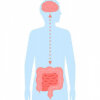
The main pathways that communicates between the gut and the brain is termed the microbiome–gut–brain axis. This is the communication network that links the microbiome and the digestive tract with the central nervous system.
While this may be viewed as a single pathway, there are several ways information is sent along this axis:
- Neural pathways
The nerve that runs directly from the gut to the brain is called the Vagus nerve. This carried detailed information about digestive processes, inflammatory responses, hunger, as well as the activity of the gut microbiome. For example, when certain gut bacteria produce gut chemicals, these send specific signals that travel up the vagus nerve and influence brain function. This includes influencing mood, stress responses, and the circadian rhythm. - Hormonal signalling
Your gut microbiota help produce neurotransmitters and hormones involved in sleep regulation, such as serotonin, melatonin, and GABA. These compounds help control your body’s sleep–wake cycle and your ability to relax. - Immune communication
The immune system constantly monitors the gut, and inflammation in the digestive tract can change brain chemistry and disrupt sleep.
This communication is bidirectional. Poor sleep affects the microbiome, and an unbalanced microbiome can, in turn, disrupt sleep. This means that restoring either one can support the other.
The Role of Circadian Rhythms in Gut Health
Both your body and your gut microbiome operate according to circadian rhythms, the roughly 24-hour cycles that regulate physiological processes. These rhythms influence digestion, nutrient absorption, hormone release, and the behaviour of gut bacteria.
The master clock in your brain—the suprachiasmatic nucleus (SCN)—is regulated primarily by light. But the gut has its own clocks, influenced strongly by your eating patterns. When you eat late at night, skip meals, or keep irregular sleep hours, your digestive rhythms can become out of sync with your brain’s clock.
This misalignment can alter microbial composition, increase inflammation, and weaken digestive function. Conversely, consistent sleep routines and regular meal timing help maintain balanced circadian rhythms, which support a healthier microbiome.
How Poor Sleep Disrupts Digestive Health
Even short-term sleep deprivation can influence gut function. Research shows that just two nights of inadequate sleep can alter the composition of the gut microbiome. Here are the major ways poor sleep affects digestion:
Microbiome imbalance
Poor sleep reduces beneficial bacteria—particularly those involved in producing short-chain fatty acids (SCFAs)—and increases harmful species. Lower diversity in the microbiome is linked to digestive discomfort, inflammation, metabolic issues, and heightened stress responses.
Increased intestinal permeability
Lack of sleep elevates cortisol, your primary stress hormone. High cortisol weakens the gut barrier, allowing substances such as toxins, bacteria, and undigested food particles to pass into the bloodstream—a phenomenon often called “leaky gut.” This triggers inflammation and contributes to bloating, abdominal pain, and food sensitivities.
Inflammation throughout the body
Sleep loss increases pro-inflammatory cytokines such as IL-6, IL-1β, and TNF-α. Chronic inflammation affects the gut lining and slows digestive processes, making symptoms more pronounced over time.
Hormonal disruption
The hormones involved in appetite are regulated by sleep. With insufficient sleep, changes to these hormones occur. This involves:
- Ghrelin rises, increasing appetite
- Leptin drops, reducing feelings of fullness
The combination of these 2 changes alters cravings, commonly leading to increased desire for high-sugar, high-fat, low-fibre foods. These more processed foods also start to disrupt the gut bacteria. These patterns can then become self-reinforcing. For example, poor sleep leading to processed food choices, which further negatively impact gut health.
How Poor Sleep Affects Specific Digestive Disorders
Sleep quality plays a significant role in several common gut conditions.
Irritable Bowel Syndrome (IBS)
IBS patients commonly report worse gut health following even a single night of poor sleep.
It’s well documented that poor sleep leads to:
- Increased nerve sensitivity along the gut lining, referred to as visceral hypersensitivity
- Certain markers of inflammation start to rise
- Alterations in neurotransmitters, such as serotonin, affect gut motility
Inflammatory Bowel Disease (IBD)
In Crohn’s disease and ulcerative colitis, studies have found that chronic sleep loss can contribute to a flare in the disease. This is also something found in our clinical practice.
These clinical studies have found that longer-term sleep deprivation starts to increase the levels of inflammation in the large intestine and alter the immune response, as well as food choices.
Essentially, IBD patients with poor sleep experience more frequent flare-ups.
Gastroesophageal Reflux Disease (GERD)
Sleep is well known to impact GERD. Not only does the loss of sleep start to increase nerve sensitivity to any amount of reflux, it also increases the degree of pain perception.
Further vicious cycles can also be triggered here with poor sleep leading to more reflux, but more reflux then impacting sleep. This can be an uncomfortable cycle that can be hard to break out of.
General digestive discomfort
Poor sleep, fatigue and insufficient rest can also slow down transit time and bowel motility. This can be caused by both low energy and insufficient time for the body to rest and rest leading to symptoms such as constipation, nausea, bloating, and abdominal discomfort.
The longer poor sleep continues, the more pronounced these effects may become.
How a Healthy Gut Supports Better Sleep
Appropriate levels of sleep help to regulated the gut. The gut also helped to regulate sleep.
If the gut and sleep are impacted, often, supporting both areas is the best way forward and balanced microbiome creates sleep-supporting compounds that are important to regulating rest and repair.
- Short-chain fatty acids (SCFAs) – The are post-biotics that are created as a by-product by bacteria in the gut microbiome, following the fermentation of dietary fibre. SCFAs such as butyrate support deep sleep and help regulate circadian rhythms.
- Serotonin – Up to about 90% of the body’s serotonin is produced in the gut. Its roles are wide-ranging as it helps to regulate mood, stimulates appropriate levels of muscle contractility in gut motility, and helps to produce melatonin, the hormone that signals sleep. Alterations in the gut microbiome can reduce serotonin production and impair melatonin synthesis.
- Melatonin – Interestingly, more melatonin is actually produced in the gut than in the brain. Gut-created melatonin supports digestive motility, antioxidant protection and maintenance of the gut barrier. Changes in the gut bacteria or inflammation along the gut wall impact and negatively influence circadian rhythms.
- GABA – Certain gut bacteria produce GABA, the primary calming neurotransmitter in the brain. While other gut organisms produce compounds that block the GABA receptors in the brain. This can lead to anxiety and insomnia.
- Microbial differences between chronotypes – Night owls are people who tend to stay up late. It’s been found that these individuals often have different microbial patterns than early risers. Studies have found certain groups of bacteria that are linked to insomnia risk. They also report that other groups of bacteria have been identified that appear to support more stable sleep patterns. It’s currently unclear if this is a cause of effect of these sleep patterns.
Circadian Timing, Meal Patterns, and the Gut
When it comes to circadian rhythms and diet, what we eat can be more important than when we eat.
Regular mealtimes support microbial stability
Rather than the gut responding to food in the same way at any time of the day, the timing of meals and the time left between meals impact the gut. Irregular eating patterns can almost confuse the body, and impact the sleep-wake cycle. This is particularly true for late-night and nocturnal eating.
Late-night eating and sleep
Eating too close to bedtime or during the night can
- Start to interfere with and alter digestive processes
- Contribute to an increased risk of reflux
- Start to impact metabolism and microbial activity to the night-time, a crucial time for rest.
This misalignment affects both sleep quality and microbial balance.
Aligning lifestyle with circadian rhythms
A range of common factors that are very present in modern life can impact the sleep-wake cycle.
These include:
- late-night screen exposure, particularly from blue light-emitting screens
- shift work, especially when shifts are late and changing regularly
- bedtimes that change without a regular rhythm
- inconsistent meal timing
Addressing these habits is one of the simplest and most effective ways to improve both sleep and gut health.
Practical Steps to Improve Sleep and Support the Gut
When gut issues are present along with sleep issues, optimising the sleep routine and quality is a foundational area of support.
Well studies supported strategies to help with sleep and the gut are:
Establish consistent sleep schedules
- This can involve keeping bedtimes and wake times very consistent. This can be important even on weekends and days off. While also aiming for a consistent 7–9 hours each night. There is flexibility with this, but at most, allow about an hour of flexibility.
Optimise your sleep environment
- Optimising the bedroom is also key. This should be kept cool, dark and quiet.
- Key points here can be to install blackout curtains and to use earplugs or a white-noise machine.
- Create a relaxing pre-sleep routine involving herbal teas, calming music and limiting screens for 1-2 hours before bed.
Time meals strategically
- Aim for a simple structure with meal timings that can be as simple as eating at similar times each day and not eating 2-3 hours before bedtime.
Support your microbiome through diet
- Diversity of the diet (eg aiming for 30+ plant foods each week) can support the range of good bacteria in the gut.
- Adding to this dietary foundation, fermented foods such as kimchi, kefir, kombucha, and sauerkraut can further optimise the diet.
- Alongside this, limiting ultra-processed foods, high amounts of refined sugar, and alcohol can further help the balance of the gut
Prioritise sleep-supportive nutrients
Key foods may also help to support the sleep process by producing more of the nutrients needed.
For example:
- Tryptophan-rich foods help produce serotonin (eggs, turkey, cheese, seeds).
- Magnesium-rich foods support relaxation leafy greens, nuts, whole grains).
- Omega-3 sources reduce inflammation (fish, flaxseed, walnuts).
- Foods naturally containing melatonin, such as tart cherries, may support sleep.
Manage caffeine and alcohol
- If sensitive to caffeine if can be limited from early in the day.
- Not only does alcohol impact the gut, but it can also impact the quality of deep sleep.
Reduce stress
- Long-term and ongoing levels of stress impact both gut health and sleep quality.
- Central nervous system support can be very important here, with approaches such as meditation, deep breathing, gentle yoga and journaling being helpful to calm the nervous system.
Move your body
- Regular physical activity improves both sleep quality and microbial diversity.
- Aim for at least 30 minutes of moderate movement most days and avoid high-intensity exercise late in the evening.
When to Seek Professional Support
While certain symptoms can vary depending on how long they last and how much of an impact they have on life, you may benefit from professional guidance if:
- Sleep problems continue for more than a few weeks
- IBS and digestive symptoms get worse and start to significantly impact sleep duration and quality
- You experience flares in IBS, IBD, or GERD that correlate with sleep issues
Conclusion
Sleep and gut health are closely linked. Inadequate sleep can disrupt the microbiome, heighten inflammation, affect appetite and food choices, and weaken the gut lining. Likewise, an imbalanced gut can hinder the production of key sleep-supporting compounds like serotonin, melatonin, GABA, and SCFAs.
The encouraging news is that by improving your sleep habits, nurturing your microbiome, and living in sync with your natural circadian rhythms, you can strengthen both systems simultaneously. For those with IBS, IBD, GERD, or ongoing digestive issues, prioritising sleep isn’t just about feeling more refreshed—it’s an essential part of effective digestive care. Supporting your sleep means supporting your gut.
Contact us today for your initial assessment.
References
- NCBI – National Centre for Biotechnology Information
Tryptophan Metabolism and Gut-Brain Homeostasis - MDPI – Nutrients Journal
The Role of Gut Microbiome in Sleep Quality and Health: Dietary Strategies for Microbiota Support - Frontiers in Microbiology
Gut Microbiome and Metabolic Pathways Linked to Sleep Quality - NCBI – PMC
Gut Microbiota and Sleep: Interaction Mechanisms and Therapeutic Prospects - Oxford Academic – SLEEP Journal
Night-to-Night Sleep Duration Variability and Gut Microbial Diversity - American Journal of Gastroenterology
Poor Subjective Sleep Quality Predicts Symptoms in Irritable Bowel Syndrome - NCBI – PMC
Prevalence of Sleep Disorder in Irritable Bowel Syndrome: A Systematic Review with Meta-Analysis - Frontiers in Microbiology
Associations Between Gut Microbiota and Sleep: A Two-Sample Bidirectional Mendelian Randomization Study - Institute for Functional Medicine
Lifestyle Factors and Gut Health: A Focus on Sleep - Journal of Affective Disorders
Healthy Sleep, Mental Health, Genetic Susceptibility, and Risk of Irritable Bowel Syndrome
Last Updated
Uploaded by Martin Cohen on 14/12/2025