
Digestive reactions to foods can be the most common cause of gastrointestinal related doctors visits. These would be the typical IBS symptoms of bloating or loose stools.
It’s also possible for food to trigger mood related changes, however, mood related food reactions are not commonly linked to diet.
For some, an energy dip after a meal is common. While not indicating an issue in the gut, the can be a common response to a large meal, where a high amount of energy is directed to the gut for digestion.
In this article we will explore other ways that diet can impact the mood, both positively and negatively and how diet can support mental health and wellbeing.
H2: How Does Food Affect Your Mood?
There are several mechanisms via which food can impact mood. While these are interrelated, we can consider them as separate possible causes.
· Blood sugar imbalances – excesses refined carbohydrates contributing to issues to glucose levels in the body. Drops in blood sugar levels have been lined to low mood.
· Nutrients – low levels of key nutrients such as iron, b12 and zinc may contribute to poor cognitive function and lower levels of energy
· Neurotransmitters – the bacteria in the gut microbiome regulate the metabolism of tryptophan, which is the building block for the crucial neurotransmitter, serotonin. Imbalances in the gut microbiome (dysbiosis) can contribute to alterations in serotonin levels.
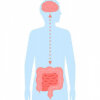
· Gut-brain axis – alterations in the gut microbiome may also produce inflammatory compounds which can influence the gut brain connection via the vagus nerve.
H2: What Is the Link Between Diet and Mental Wellbeing?
While certain meals can contribute to a quick onset of symptoms, it’s the longer-term dietary patterns that are more important for overall mental health and mood.
These are the general dietary approaches that:
- nurture the gut microbiome
- support anti-inflammatory process
- regulate blood sugar
- support the gut lining
These specific patterns include:
- Focusing on balances meals that include protein, complex carbohydrates and natural fats.
- Limiting (essentially avoiding) ultra-processed foods. The presence of these in the diet Is link to greater mood variability as well as systemic inflammation.
- Focusing on complex carbohydrates that are fermentable. These are dietary fibres that are processed by the git microbiome to produce SCFAs. Not only do they support the microbiome but influence the gut-brain connection, support mental health.
- Changes in the gut microbiome (dysbiosis) has been found to alter neurotransmitters in the brain, therefore, the inclusion of a variety of plant foods (aiming for 30-40 per week) can support the gut bacterial balance.
- All of these factors will also support the gut lining, which is as important as the gut bacteria.
H2: Which Foods May Help Support a Better Mood?
Unlike what some information on-line may indicated, there is not single food that will provide an instant mood boost, However, as mentioned already, general dietary patterns are key.
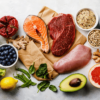
These cover 4 main categories:
- Fibre
- Fermented foods
- Protein
- Fats
Let’s explore these in more detail.
H3: Fibre-Rich Foods (e.g. Vegetables, Whole Grains, Legumes)
- Fermentable fibre is processed by the gut bacteria to produce beneficial compounds such as butyrate, one of the main SCFAs (short chain fatty acids). This support the gut lining and prevents mood-disrupting compounds such as LPS from entering circulation.
- The beneficial effect of SCFAs is wide ranging. They support the gut-brain axis, the vagus nerve, energy balance as well as gut hormones that regulate appetite.
- The 2 main types of fermentable fibres (FOS and GOS) are found in foods such as onions, oats an chicory, have been found to reduce inflammation and improve mood.
- These foods have a neuroprotective effect but increasing a brain chemical called BDNF (Brain-derived neurotrophic factor) which helps regulate mood.
- Fibre rich whole grains and vegetables also support blood sugar balance and mood. This can be a more simple process by reducing mood dips from blood sugar fluctuations.
H3: Fermented Foods (e.g. Yoghurt, Kefir, Sauerkraut, Kimchi)
- The fermentation of foods produce live organisms that contribute to a diverse microbiome. Studies have found improved mental wellbeing, possibly due to serotonin and GABA balancing.
- A 2022 study found that adding probiotics and probiotic rich foods improved symptoms of depression at a greater level that a placebo.
- A further study in 2023 found that probiotic implementation improve emotional resilience and improved mood in those with depressive symptoms.
- Finally, a 2024 meta-analysis concluded reduced symptoms of anxiety and depression in those exposed to beneficial bacteria. The response was stronger in clinically diagnosed populations.
H3: Healthy Fats (e.g. Oily Fish, Walnuts, Flaxseed)
- The reason fats (EPA and DHA) are so important for human health is that they are a building block for cell membranes, including brain cell membranes.
- Interestingly, low level of DHA has been found in tissues of those with depression.
- A 2019 study of over 2000 people found that EPA rich supplements improved symptoms of depression.
- This in understood, at least in part, to be due to how omega-3s can reduce inflammation, modulate serotonin/dopamine, and support neuroplasticity.
- Western diets high in processed food have a raised omega-6:omega-3 ratio, linked to greater inflammation and higher mood disorder risk.
H3: Protein-Rich Foods (e.g. Eggs, Chicken, Lentils, Tofu)
- One of the key amino acids found in protein rich foods is tryptophan, the precursor to serotonin. This is an essential amino acid, meaning the body can’t make it itself and it needs to be obtained via diet.
- A protein and tryptophan rich diet are both associated with improve mood and lower levels of depression.
- A diet low in tryptophan is associated with higher levels of irritability and anxiety.
- The conversation of tryptophan to serotonin is regulated by the gut microbiomes, highlighting the importance of gut heath.
- As well as this, foods rich in the amino acid tyrosine (eggs, chicken, dairy, soya) supply the precursor to dopamine and noradrenaline. Both important for motivation, alertness and mood.
H3: Foods Rich in Vitamins and Minerals (e.g. Leafy Greens, Berries, Seeds)
A range of vitamin have been found to support mental health. While these can be supplemented, ensuring intake from foods in foundations.
Vitamins |
Mood Benefit |
Symptoms of Deficiencies |
Sources |
| B vitamins (B6, B9, B12) | Cofactors in serotonin, dopamine, and noradrenaline production. | Depressive symptoms |
Dark greens, legumes, eggs, wholegrains.
|
| Magnesium | Regulates the HPA axis and NMDA receptor activity | Depressive symptoms | Pumpkin seeds, spinach, dark chocolate |
| VitaminD | Supports mood-regulating brain regions | Depressive symptoms |
Oily fish, fortified foods, sunlight.
|
| Polyphenols | Antioxidant and anti-inflammatory properties | Depressive symptoms | Berries, leafy greens and green tea |
| Zinc | Antioxidant | Depressive symptoms | Meat, shellfish, legumes, seeds |
H2: Can Diet Alone Improve Mood?
While diet is incredibly important when it comes to mental well being, a range of other modifiable lifestyle factors need to be considered too.
- These include sleep, social connection, stress management and exercise.
- Dietary adjustments and interventions are most effective when approached and implemented as part of a greater package.
- Food influences neurotransmitter production, gut microbiome, and inflammation — but cannot override significant mental health conditions on its own.
- However, there may also be a place for pharmaceutical medications in cases of mental health challenges.
H2: Practical Ways to Use Food to Support Your Mood
When making lifestyle changes, it can often feel like there are too many changes to make all at once. This can lead to overwhelm. Instead, smaller, simple adjustments are often the most effective.
These can include:
- Meal timing – eating 3 balanced meals at regular times.
- Variety – the range of plant food in the diet supports a diverse microbiome and therefore mental health. Aiming for 30-40 plant foods per week can be effective.
- Prolonged fasting is associated with lower mood and reduced cognitive function.
- Eliminating (or limiting) processed foods – this can be reduced slowly while focusing on replacement options.
- Even tracking food with a journal monitoring mood for 1-2 weeks can help to identify patterns with diet and mood.
H2: When Should You Seek Professional Advice?
If mood issues are severe and/or ongoing, it can be important to consider advice from a doctor.
- For example, low mood for more than 2 weeks, especially to the extent where it’s impacting daily function, a conversation with a GP may be helpful.
- If there have been changes in eating patterns, food intake and appetite which may be considered new or leading to distress, this may be another sign to discuss with a doctor.
- A registered nutritional therapist can offer personalised, evidence-based dietary guidance, this can be especially useful for those managing chronic conditions or complex health histories.
H2: Frequently Asked Questions
What foods help improve mood quickly?
Foods with not produce an instant boost in mood, but focusing on longer-term dietary patterns over a period of time is essential for ongoing improvements. As mentioned, these can be more helpful when combined with exercise, sleep support and social engagement.
Can sugar affect your mood?
Yes. The blood sugar spikes that happen after eating sugar are always followed by drips or crashes. These can lead to lower mood, lower energy and poor concentration. This can happen soon after eating these foods.
Longer term intake of a high sugar diet can lead to systemic inflammation and lower mood.
Do probiotics help with mood?
Yes, certain strains of probiotics have been found to help with mood and mental health. Including fermented foods are also a dietary consideration.
What is the best diet for mental wellbeing?
Research consistently support and Mediterranean diet that is rich in vegetables, whole grains, legumes, oily fish, nuts, seeds, and fermented foods
This dietary pattern has the most evidence in relation to supporting mental health and reducing depression and anxiety.
H2: Conclusion
What we eat has a real impact on how we feel — from the energy we have throughout the day to our overall mood — because food affects everything from our blood sugar to the tiny bacteria living in our gut.
There’s no magic ingredient that fixes everything, but building meals around a variety of wholesome foods over time — think fibre, fermented foods, oily fish, and good protein sources — gives your brain and body what they need to function at their best.
It’s also worth remembering that food is just one piece of the puzzle; how you sleep, move, manage stress, and connect with others matters just as much. Small, sustainable changes tend to go a lot further than big dramatic overhauls, and if you’re not sure where to start, a registered dietitian can help you figure out what works for you personally.
Last Updated
Posted by Martin Cohen on 29/04/2026
References
- PubMed — National Library of Medicine — Serotonin, tryptophan metabolism and the brain-gut-microbiome axis (O’Mahony et al., 2015)
- PubMed Central (PMC) — Tryptophan Metabolism and Gut-Brain Homeostasis (Rosenfeld, 2021)
- Nature Reviews Gastroenterology & Hepatology — The role of short-chain fatty acids in microbiota–gut–brain communication (Dalile et al., 2019)
- PubMed Central (PMC) — The Gut-Brain Axis: Influence of Microbiota on Mood and Mental Health (Bourassa et al., 2019)
- eBioMedicine (The Lancet) — Glucose levels are associated with mood, but the association is mediated by ratings of metabolic state (2025)
- Translational Psychiatry (Nature) — Efficacy of omega-3 PUFAs in depression: A meta-analysis (Liao et al., 2019)
- Translational Psychiatry (Nature) — Clinical, gut microbial and neural effects of a probiotic add-on therapy in depressed patients (2022)
- Psychological Medicine (Cambridge University Press) — Multispecies probiotic administration reduces emotional salience and improves mood in subjects with moderate depression (Baião et al., 2023)
- Nutrition Reviews (Oxford Academic) — Effects of Prebiotics and Probiotics on Symptoms of Depression and Anxiety in Clinically Diagnosed Samples (2024)
- MDPI Nutrients — Influence of Tryptophan and Serotonin on Mood and Cognition with a Possible Role of the Gut-Brain Axis (Jenkins et al., 2016)